In this blog, let's explore the key signs and symptoms of premature birth, its causes, how doctors diagnose it, and the available treatments. We will also discuss the risks of premature birth, ways to prevent it, and when you should see a doctor.
What is Premature Birth?
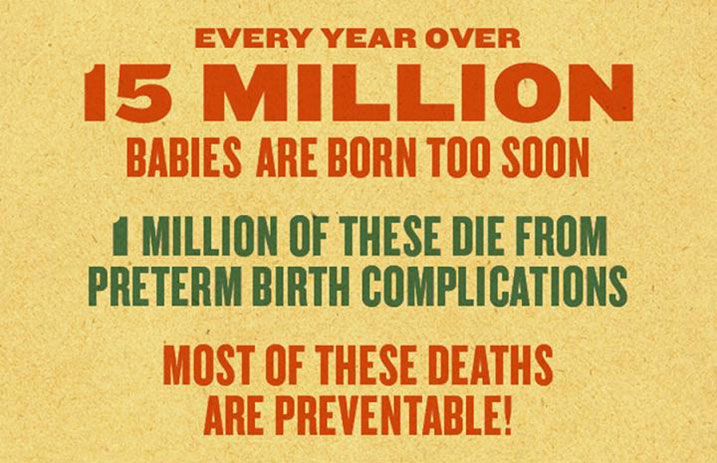
A premature birth occurs when the delivery happens before 37 weeks of pregnancy. A full-term pregnancy usually lasts around 40 - 41 weeks. Prematurity is the leading cause of death in children under five years old. Many premature babies who survive face lifelong disabilities, including learning difficulties and vision and hearing problems. Premature births are divided into categories based on the gestational age:
- Extremely preterm: Born before 28 weeks
- Very preterm: Born between 28 to less than 32 weeks
- Moderate to late preterm: Born between 32 to 37 weeks
Babies can be born prematurely due to spontaneous preterm labour or because of a medical need to induce labour or perform a caesarean delivery early.
Signs and Symptoms of Premature Birth
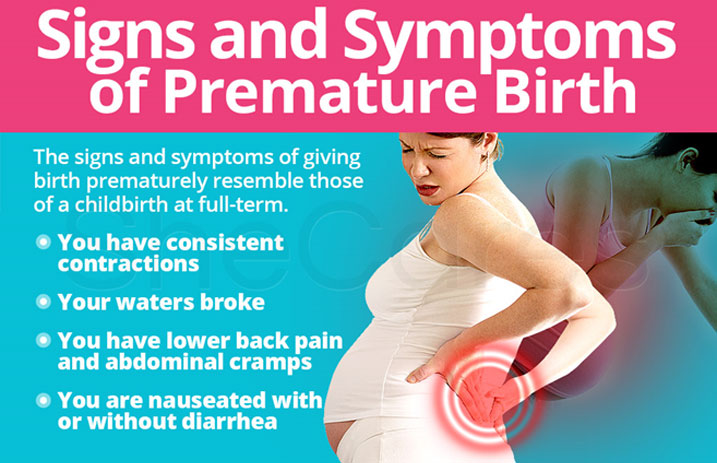
You should call your doctor immediately if you experience any of the following signs before 37 weeks of pregnancy:
Regular Contractions
- Tightening’s or period-like cramps that come at regular intervals and increasing in intensity each time, and shortening of time interval between each episode of contractions
- Sharp backache that comes and goes, which could be Laboure contractions
- Persistent pelvic pressure or cramps
- Pain not relieving with pain medication
- Pain radiation to groin and lower limbs
Fluid Leakage
- Gushing or trickling of fluid through the vagina, which may indicate that your waters have broken
- If the fluid has an unusual color (green, brown, or black), it could signal an infection
- Vaginal Bleeding during any stage of pregnancy is a cause for concern
Decreased Foetal Movement
- A noticeable change or reduction in your baby's movements
- Even if the symptoms seem mild, contact your doctor promptly
- Early detection and treatment can prevent complications of premature birth and improve outcomes for both you and your baby
If you've had a premature birth before, you're more likely to experience it again. The earlier the previous preterm birth, the higher the risk.
- Problems with the placenta, such as placental abruption (the placenta separates from the uterine membrane) or Placenta Previa (the placenta covers the cervix)
- Excessive or less than normal amniotic fluid (polyhydramnios or oligohydramnios)
- Preterm premature rupture of membranes (PPROM), where water breaks before 37 weeks
- Uterine abnormalities or a short cervix
- Carrying multiple (twins, triplets) pregnancies
- Chronic maternal health conditions like high blood pressure, diabetes, or autoimmune disorders like antiphospholipid syndrome
- Pregnancy-related conditions like preeclampsia (high blood pressure and protein in urine) or gestational diabetes
- Infections like UTIs, intrauterine infections, or sexually transmitted infections can trigger premature Laboure
- Foetal growth restriction, where the baby is smaller than expected, may require early delivery
- Teenage or elderly pregnancies
- Low BMI mothers
- Nutritional deviancies
Risk Factors
- Being very young (under 18) or older (over 40) at the time of pregnancy
- Black women have a higher incidence of premature births than other ethnicities
- Being underweight or overweight before pregnancy
- Smoking, alcohol use, or illicit drug abuse during pregnancy
- High levels of stress or depression
Diagnosis
The doctor will take an in-depth personal & medical history and will discuss risk factors for preterm Labour. They will also evaluate your signs and symptoms. Doctors will perform:
- Assessment: Your doctor may conduct a pelvic exam to check if your cervix has started dilating and evaluate the firmness and tenderness of your uterus, the baby's size, and position
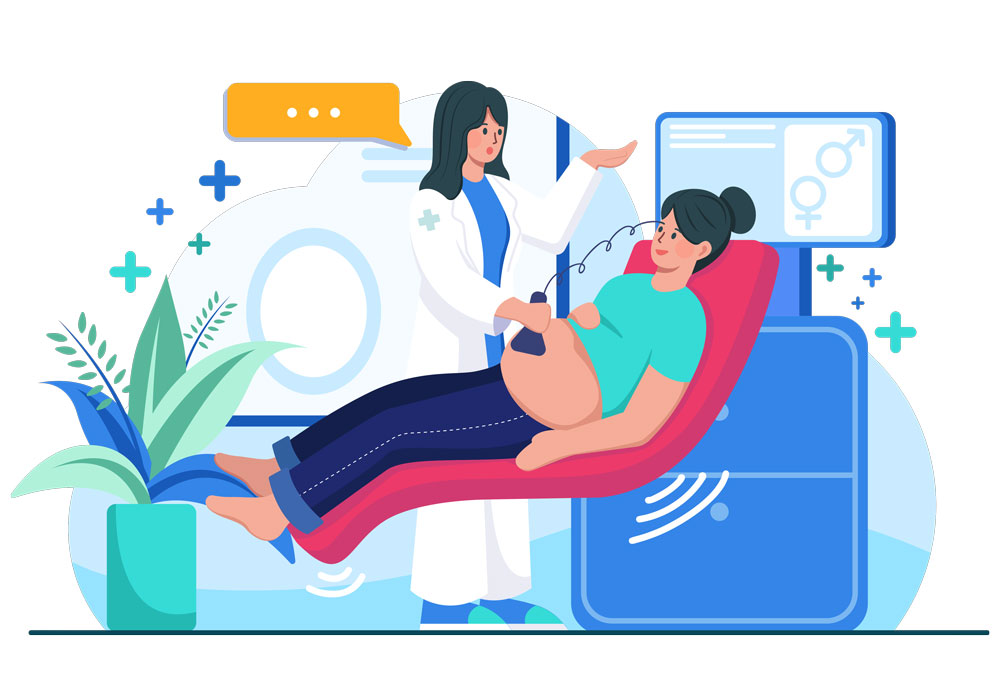
- Ultrasound: A transvaginal ultrasound can measure cervical length and issues with the foetus or placenta, confirm the baby's position, and assess the amniotic fluid volume
- Uterine Monitoring: Your doctor may perform a uterine monitoring investigation to measure the duration & spacing of your contractions
- Urine Test: Your doctor may conduct urine analysis to determine the presence of certain bacteria
Premature Birth Treatment
If you experience preterm Labour or are at risk of premature birth, there are preterm birth treatments available to help protect your preterm baby. These include:
- Antenatal Steroids: Doctors may give you steroid injections to help your baby's lungs mature faster. The injections can reduce breathing difficulties and other complications after birth
- Tocolytic Medications: The use of these medicines can temporarily delay preterm Laboure so that steroids can take effect or patients can reach a hospital with a neonatal intensive care unit (NICU)
- Antibiotics: If your water breaks early (preterm premature rupture of membranes or PPROM), antibiotics may be prescribed to prevent infections
After birth, your premature baby will likely need specialized care in the NICU. Common treatments include:
- Incubator Care: Premature newborns will be placed in an incubator, a warm, enclosed bassinet, to maintain body temperature.
- Respiratory Support: Premature babies often need help breathing. Doctors may use a ventilator or a continuous positive airway pressure (CPAP) machine. Surfactant medication can also help immature lungs function better
- Feeding Assistance: Initially, your baby may receive nutrients through an IV or feeding tube. As they grow stronger, breastfeeding or bottle-feeding can be introduced
- Phototherapy: If your baby develops jaundice (high bilirubin levels), they may be placed under special lights to help break down the excess bilirubin
- In severe cases, surgery may be necessary to treat complications like heart defects or intestinal issues. Your NICU team will closely monitor your baby's progress and provide the appropriate care
When do you have to see a Doctor?
 You should contact your doctor immediately if you experience any signs of premature Laboure before 37 weeks of pregnancy. These signs include:
- Regular contractions or tightening’s that come at regular intervals
- Excess fluid leakage from your vagina
- Any vaginal bleeding during pregnancy
- A noticeable change or reduction in your baby's movements
- Persistent pelvic pressure or cramps
- Your mucus plug (a jelly-like discharge) passing
- Excessive white discharge
- Any micturition problems
Prevention
You can take several steps to diminish your risk of premature birth. Here are some preventive measures:
- Maintain a Healthy Weight: Being overweight or underweight increases your chances of developing complications that could contribute to premature birth. Manage your weight healthily through a balanced diet and regular exercise
- Regular visit to doctor and follow up visits
- Stay Active: Staying physically active throughout pregnancy will improve your overall wellness. It also reduces your risk of conditions such as diabetes and preeclampsia, which can lead to premature birth
- Manage Stress and Depression: Women who have stress or depression seem to be more prone to giving birth prematurely. Try to find suitable ways to manage stress and seek help if you're experiencing depression during pregnancy
- Quit Smoking and Avoid Alcohol: Quitting smoking is one of the most positive steps you can take to reduce the risk of premature birth. Drinking alcohol during pregnancy also is known to be a risk factor for premature birth. It's safest to avoid alcohol altogether
- Check Medication Safety: Before taking any medication, always ask your doctor to ensure its safety during pregnancy
- Prevent Infections: Many types of infections are associated with premature birth. Practice good hygiene. Wash your hands frequently. Hand washing is essential, especially after using the restroom, before eating, and after changing diapers
- Remember that premature birth can still occur even with no identifiable risk factors. Regular prenatal monitoring and care are crucial for detecting and managing potential issues
Conclusion
Premature birth is a complex issue that impacts many families worldwide. Understanding the signs, causes, and potential complications can help expectant parents be better prepared to handle this challenging situation. Early identification and prompt medical attention are crucial to improving outcomes for both mother and baby
Taking care of a preterm baby can be a challenging journey, but with advances in medical care, many preterm infants go on to live healthy lives. To reduce the risk of premature birth, maintain a healthy lifestyle, manage stress, and attend regular prenatal check-ups


FAQs
1. How common is premature birth?
Premature birth is quite common, affecting around 1 in 10 babies worldwide.
2. What week is preterm birth safe?
There is no definitive "safe" week for preterm birth, as any birth before 37 weeks is considered premature. However, the risks and potential complications increase the earlier a baby is born.
3. How to stop preterm labor?
If you are experiencing signs of preterm Laboure, your doctor may recommend treatments to try to stop or delay Laboure. These can include:
- Tocolytic medications to temporarily halt or slow contractions
- Corticosteroids to help promote your baby's lung maturity
- Antibiotics if your water has broken early (PPROM) to prevent infections
- Progesterone shots or vaginal progesterone if you have a history of premature birth
4. How long can preterm Laboure be delayed?
Tocolytic medications can often delay Laboure for 48 hours to 7 days. This window allows time for corticosteroids to help the baby's lungs develop further or for you to be transported to a hospital with a neonatal intensive care unit (NICU) if needed.
How to avoid a premature baby delivery?
While premature birth cannot always be prevented, you can take steps to reduce your risk:
- Maintain an optimal weight and healthy diet during pregnancy
- Stay active with regular exercise (as approved by your doctor)
- Manage stress and depression
- Quit smoking & avoid alcohol and illicit drugs
- Practice good hygiene to prevent infections
- Attend all prenatal care appointments to monitor for potential issues