PCOS does not mean you can't get pregnant.
PCOS is one of the most common health conditions that affects about 10
million people in the world. but treatable causes of infertility in women. In
women with PCOS, the hormonal imbalance interferes with the growth and
release of eggs from the ovaries.
Let’s understand the condition in medical terms!
What is PCOS?
 Polycystic Ovary Syndrome, or PCOS, is a common
health problem caused by an imbalance of reproductive hormones that is
estrogen, progesterone and androgens, this hormonal imbalance creates
problems in the ovaries.
Polycystic Ovary Syndrome, or PCOS, is a common
health problem caused by an imbalance of reproductive hormones that is
estrogen, progesterone and androgens, this hormonal imbalance creates
problems in the ovaries.
The ovaries make the egg grows and attains a size which is then released each month as part of a healthy menstrual cycle.
With PCOS, the egg which is formed may not develop to attain the mature
size as it should or it may not be released during ovulation as it should be,
leading to formation of immature eggs (cysts) which pile up and cause
polycystic appearance, hence the name.
This creates further hormonal imbalance by hormones produced by immature follicles.
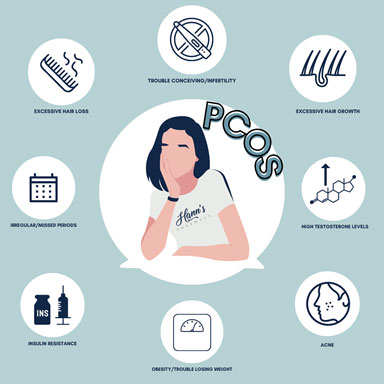
Problems PCOD women face
PCOS can cause missed or irregular menstrual periods.
Irregular periods can lead to:
- Infertility (inability to get pregnant). In fact, PCOS is one of the most common causes of infertility in women.
- Development of cysts (small fluid-filled sacs) in the ovaries
-
Few other problems of PCOS might include:
- Irregular menstrual cycle. Women with PCOS may miss periods or have fewer periods (fewer than eight in a year) or their periods may come every 21 days or more often. Some women with PCOS stop having menstrual periods.
- Too much hair on the face, chin, or parts of the body where men usually (caused by androgen, typically a male dominant hormone). This is called "hirsutism." Hirsutism affects up to 70% of women with PCOS.
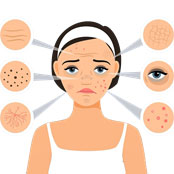
- Acne on the face, chest, and upper back
- Thinning hair or hair loss on the scalp – male pattern baldness
- Weight gain or difficulty losing weight
- Darkening of skin, particularly along neck creases, in the groin, and underneath breasts
- Skin tags, which are small excess flaps of skin in the armpits or neck area
PCOS and other health problems
Studies have found links between PCOS and other health conditions, like:
Diabetes |
|---|
|
|
 More than half of women with PCOS will have diabetes or prediabetes
High Blood Pressure |
|---|
|
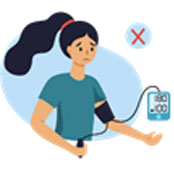 Women with PCOS are at greater risk of having high blood pressure compared with women of the same age without PCOS. High blood pressure is a leading cause of heart disease and stroke.
Unhealthy Cholesterol |
|---|
|
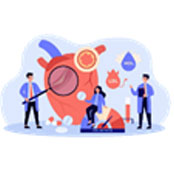 Women with PCOS often have higher levels of LDL (bad) cholesterol and low levels of HDL (good) cholesterol. High cholesterol raises your risk of heart disease and stroke.
Sleep Apnea |
|---|
|
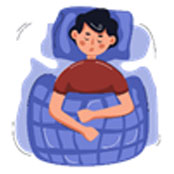 This is when momentary and repeated stops in breathing interrupt sleep. Many women with PCOS have overweight or obesity, which can cause sleep apnea. Sleep apnea raises your risk of heart disease and diabetes.
Depression and Anxiety |
|---|
|
 Depression and anxiety are common among women with PCOS.
Endometrial Cancer |
|---|
|
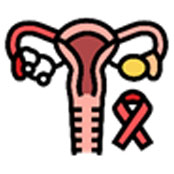 Problems with ovulation, obesity, insulin resistance, and diabetes (all common in women with PCOS) increase the risk of developing cancer of the endometrium (lining of the uterus or womb).
Darkening of Skin |
|---|
|
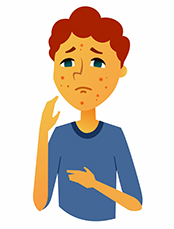 You may see thick, dark, velvety patches of skin under your arms or breasts, or on the back of your neck.
Headaches |
|---|
|
 Hormonal changes prompt headaches.
Fatigue |
|---|
|
 Many people with PCOS report increased fatigue
and low energy. Related issues such as
poor sleep may contribute to the feeling of fatigue.
Many people with PCOS report increased fatigue
and low energy. Related issues such as
poor sleep may contribute to the feeling of fatigue.
PCOS AND PREGNANCY |
|---|
|
PCOS can cause problems during pregnancy for you and for your baby. Women with PCOS have higher rates of
|
DON'T WORRY - WOMEN WITH PCOS CAN AVOID PREGNANCY-RELATED PROBLEMS BY:
- Maintaining a healthy weight before getting pregnant.
- Achieving healthy blood sugar levels before getting pregnant through healthy eating, regular physical activity, reaching a healthier weight, and taking medications such as metformin.
- Taking folic acid. Consult your doctor regarding the appropriate folic acid dosage for your need.
DOES PCOS TREATMENT VARY WITH EACH PATIENT?
YES! PCOS TREATMENT IS INDIVIDUALISED MEANING SPECIFIC TO EACH PATIENT
INDIVIDUALIZED PCOS TREATMENTS
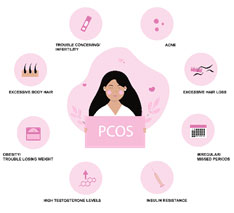 PCOS treatments focus on managing your individual concerns, such as infertility, hirsutism, acne, or obesity. PCOS treatments can include lifestyle changes like healthy eating and attaining healthy weight, or in some cases, medications can help.
If a woman is not seeking to become pregnant, hormonal birth control (most often birth control pills) is a standard treatment.
Here is a list of PCOS treatments:
This is a common treatment to regulate periods and limit excess hair growth and acne by lowering androgen levels and protecting the endometrium (inner lining of the uterus) against abnormal cell growth. Regulating your hormones can lower your risk of endometrial cancer.
Birth Controlling Pills
 Pills that contain estrogen and progestin decrease androgen production and regulate estrogen. Older types of birth control pills have a lower risk for dangerous blood clots and are preferable over new types of birth control pills.
Instead of pills, you might prefer to use a skin patch or vaginal ring that contains a combination of estrogen and progestin.
TREATMENT FOCUSSING ON FERTILITY
(if you are planning to become pregnant)
Progestin Therapy
 Taking progestin for 10 to 14 days every 1 to 2 months can regulate your periods and protect against endometrial cancer. This progestin therapy doesn't improve androgen levels and won't prevent pregnancy. The progestin-only minipill or progestin- containing intrauterine device is a better choice if you also wish to avoid pregnancy.
Metformin
Although metformin is not approved by the FDA for the treatment of PCOS, many doctors prescribe it for PCOS patients. Metformin is a medicine that makes the body more sensitive to insulin. This can help lower elevated blood glucose levels, insulin levels, and androgen levels. People who use metformin may lose some weight as well. Metformin can improve menstrual patterns, but it does not help as much for unwanted excess hair. Many women who are diagnosed with PCOS are often automatically prescribed metformin. However, it's important to have a reason for taking metformin and not be on it just because of a diagnosis of PCOS. Discuss with your doctor the reason why you are taking metformin and whether it is providing a benefit to you.
Clomiphene
This is an oral medication that is the most common treatment used to induce ovulation. The use of both metformin and clomiphene has about the same fertility results as clomiphene used alone. A benefit is that metformin may help reduce the risk for ovarian hyperstimulation syndrome (OHSS) during assisted reproductive technology (ART) fertility treatments.
Letrozole
Other treatments to stimulate ovulation include another oral medication called letrozole and gonadotropins which are hormones that are given by injection. In vitro fertilization (IVF) and in vitro maturation (IVM) may be other fertility treatment options.
Do we have a surgical option?
Yes. indeed!
It’s called ovarian drilling, basically drilling the unmatured multiple cysts which are the ultimate hormonal imbalance, which obviously reduces the treatment load, saves time, and preferred when you are planning pregnancy.
Our doctor may recommend weight loss through a low-calorie diet combined with moderate exercise activities. Lifestyle measures to achieve a weight loss of 5%-10% in overweight women can help regulate ovulation and periods. Although basic good nutrition is needed, it can be more challenging to lose weight and maintain weight loss with PCOS. Dr. Dunaif from Northwestern University is very encouraged that even “a little bit of weight reduction and exercise can improve insulin sensitivity.
If dealing with hirsutism (excess hair, male pattern baldness, acne)
Spironolactone
Drugs that curb androgen levels are another common treatment used for PCOS, although they are not officially FDA-approved for PCOS treatment. By lowering androgen levels, many patients have significant improvements in androgen-related symptoms such as excess hair. Spironolactone is the anti-androgen drug most often used.
To curb hirsutism (excess hair), Dr. Andrea Duane from Northwestern University typically starts patients with spironolactone. A 6-month trial is needed to show effects on unwanted hair, and she usually starts women at a higher dose. The unwanted hair doesn’t disappear but grows finer and lighter.
Improvement of acne generally comes more quickly. Unfortunately, this drug is unlikely to help with androgen-related hair loss (aka androgenic alopecia) which is more difficult to treat.
Two important things to note are that the long-term safety effects of use are not known (but the drug has been in use for decades already) and spironolactone IS NOT SAFE to take during pregnancy, so it is commonly used in conjunction with birth control pills.
This use of birth control pills also protects against abnormal growth of the lining of the uterus. Some women cannot take birth control pills, in which case it is important to use other means of birth control if you are sexually active while taking spironolactone.
Prescription Creams
Treatments targeting the skin or hair more directly are also available to help with hair problems. These include the prescription cream eflornithine hydrochloride, acne products, and cosmetic treatments such as laser therapy and electrolysis.
Vitamins
Vitamins, supplements, and other complementary treatments are popular among women with PCOS. Researchers are studying the effectiveness of such treatments. Popular options include cinnamon, Myo-inositol, vitamin D, B complex vitamins, and acupuncture. We hope to share and explain the evidence for these and other treatments as well as research findings as they develop.
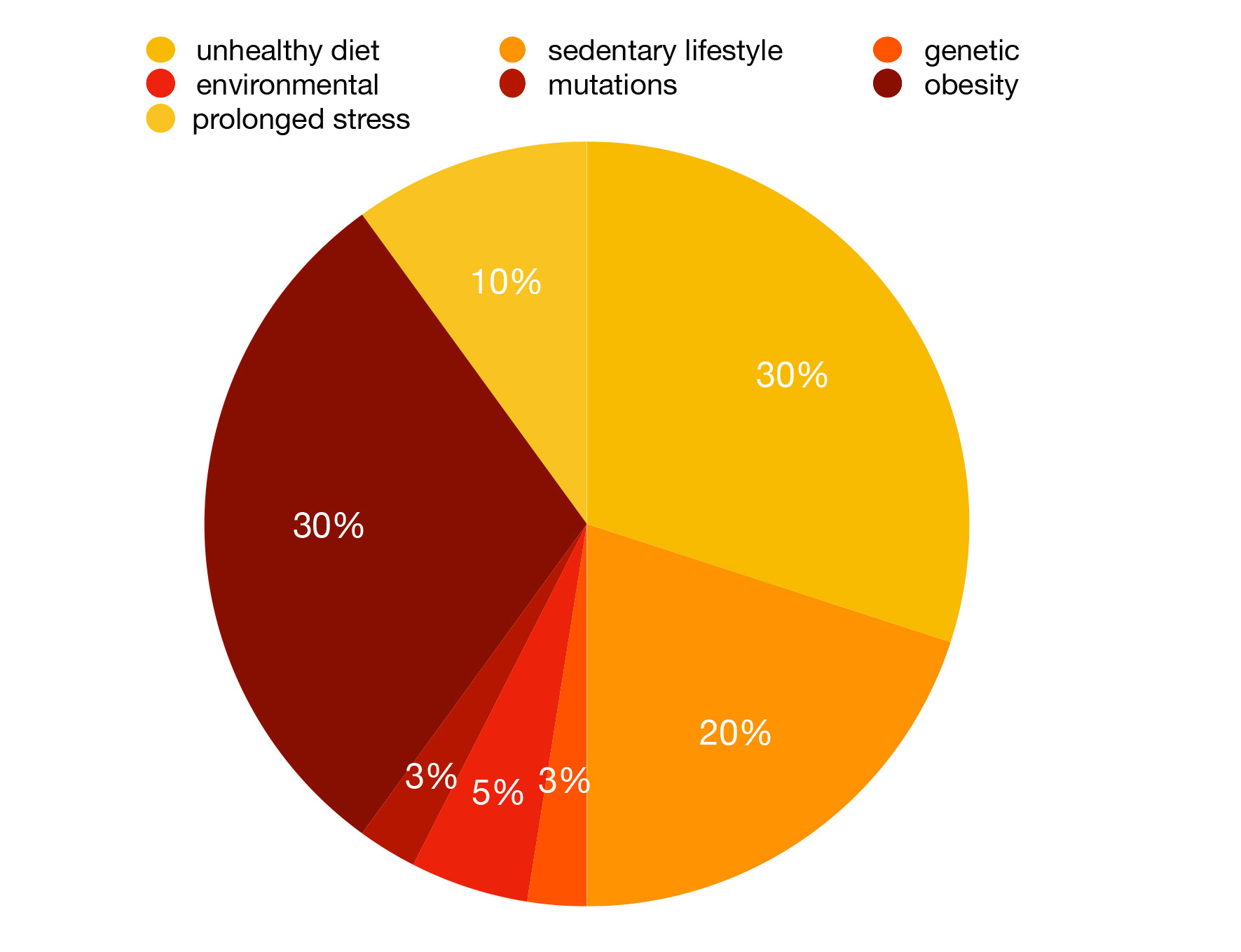
Because the severity of PCOS can vary from person to person, treatment plans are highly individual. It’s extremely important to talk to your doctor about all potential treatments Now after so much hustle with the condition, you must be wondering what’s causing it?
Unfortunately, the exact cause is unknown, but it is considered a hormonal problem. Genetics and environmental factors are believed to be involved in the development of PCOS. It is a leading cause of female infertility and is responsible for a number of symptoms that can affect the body physically and emotionally.